Larry's Story: Living with MCL Since 2012
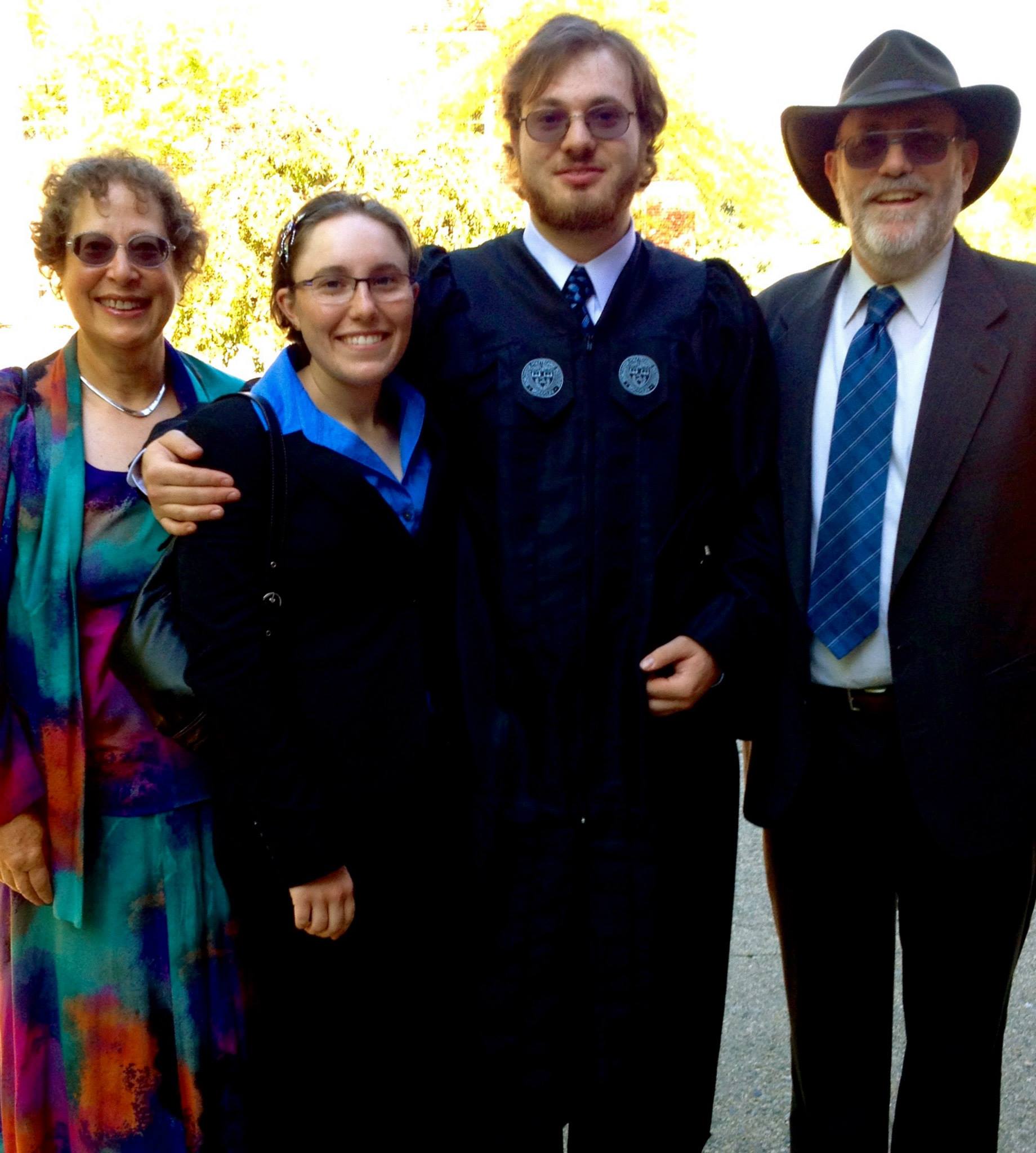
Hi, I’m Larry Fagan — one of the MCLA Board Members. I was diagnosed back in 2012. There is never a good time to receive a cancer diagnosis, but mid-June 2012 was just after I retired and my son graduated from college. So, 2012 started with two long anticipated endings and ended with a totally unanticipated 6 months of cancer treatment. I received my care at Stanford Medical Center where I was treated with Bendamustine and Rituximab. The doctor selected the treatment based on results that had just been presented at a lymphoma specific conference. My treatment was based on clinical trial results that showed that this new treatment gave better responses and fewer side effects than the typical treatment for certain categories of MCL patients.
The initial treatment went well. My doctor called the combination “chemo-lite.” I found that during the 6 cycles of treatment that I would be sick for a few days starting a few days after the monthly treatment. However, through online groups I see other patients that have had serious reactions to the treatment, so my experiences don’t always apply to others.
After the Bendamustine and Rituximab, I started Rituximab maintenance therapy based on the protocol used for Follicular Lymphoma since there wasn’t a standard maintenance plan for MCL at that time. I ran into trouble with low blood counts during the maintenance therapy and had to stop after 3 treatments (out of a total of 8 planned). The last drop was very low and when I met my doctor right after that incident we both decided that it was time to stop. That was in January of 2014, and I have been in remission since then while being monitored for a possible recurrence.
How I heard about the diagnosis
The actual moment where I heard about the diagnosis was unusual but probably fitting for someone whose whole career related to computers and medicine. The normal way that folks get the notice that they have cancer is through a phone call or at an appointment with the doctor. In 2012, California law prevented sending some biopsy reports directly to the patient portal, ensuring medical staff could discuss the findings with the patient before they saw the online report.
But I didn’t get a call and the surgeon who performed the biopsy had already scheduled an appointment with the oncologist for the next day. They must have had a way to hide that appointment from the regular patient portal interface until they could call to explain the situation. But I was looking in an experimental section of the patient portal designed to consolidate information across care sites and the unknown oncology appointment wasn’t hidden in that part of the program. So, I figured out pretty quickly that I had some kind of cancer — not the best way to hear about a life-changing result.
The psychological side
As you can tell, I tend to focus on the clinical side of the story, but there is much to learn from the psychological side. Like nearly every newly diagnosed MCL patient, I googled MCL prognosis and found discouraging information. I learned much later that there are many reasons that the published statistics tend to provide underestimates of the actual or likely prognosis.
I’ve had some possible recurrences that turned out not to be MCL. Since doctors often say “MCL has a way of coming back,” it often stays in the back of my mind and in my caregiver’s mind. I’ve learned to understand and appreciate the caregiver’s crucial role and how to deal with the drumbeat of a possible recurrence. Most of the time, my day is much like it was before diagnosis. I have no physical limitations and my health is good. Like most everyone, I get anxious as I get closer to my 6-month checkup. I’m being followed primarily with blood tests including one that can find one MCL cell in a million blood cells.
Looking back — and forward
I did a few things right and a few things wrong when I was first diagnosed. I lived near a major medical center, so I sought access to physicians with experience with mantle cell lymphoma. This step can be a real challenge for many depending on their location, insurance status, financial status, and many other reasons. I was given one choice for therapy, and I didn’t think to ask if there were alternative treatments. I didn’t read about mantle cell during that first year and a half. Somehow, I stumbled on the writings of e-patient Dave and one of his big points was to find an online patient community. I’m now a member of a half dozen online MCL groups and have leadership roles in two of the groups. Through a process described in our origin story, I’ve become heavily involved in the MCLA. MCLA will provide the types of information resources that MCL patients need while working to make a better path for newly diagnosed patients. I look forward to what we can do together in the service of MCL patients and their families and friends.